Home › Walking food tours › Istanbul Kebab Trail
Istanbul Kebab Trail
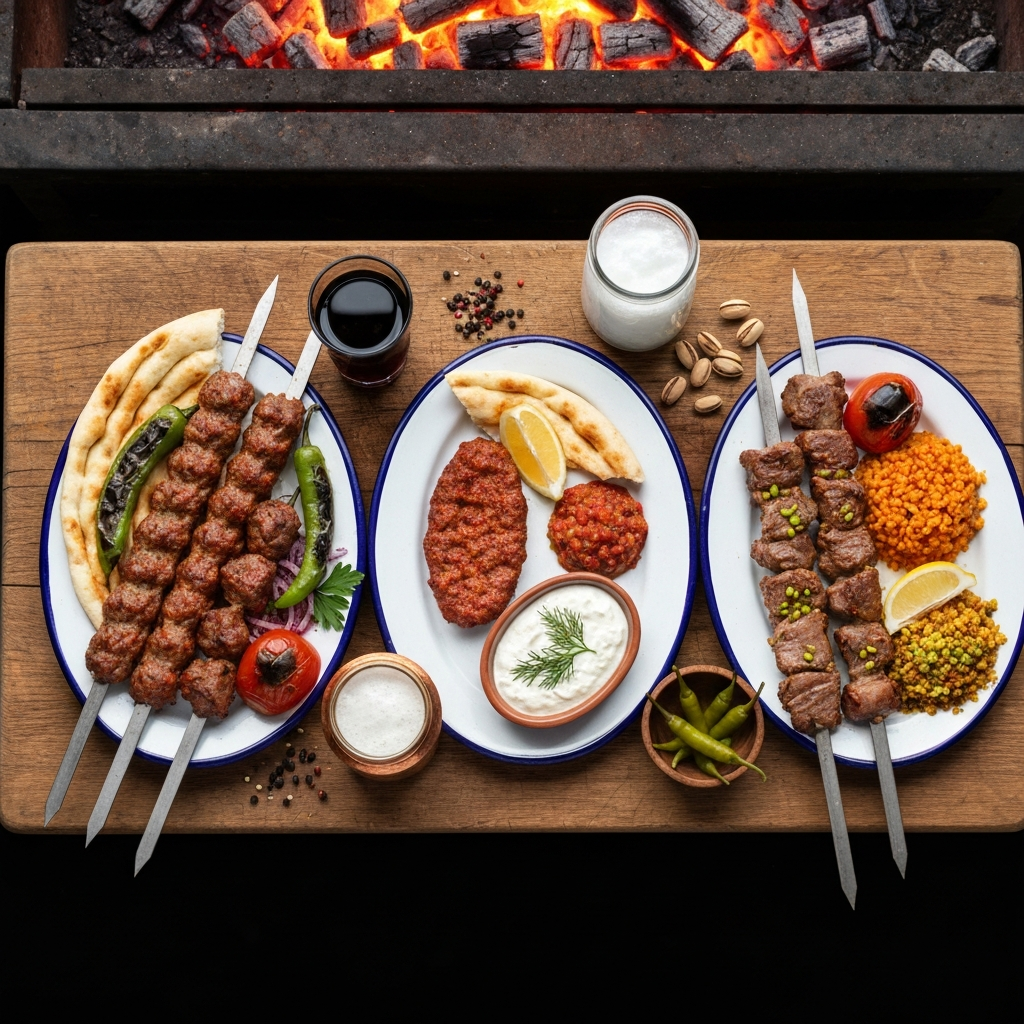
Five stops, four hours, 3 km of historic-peninsula walking plus an optional metro leg north to Etiler — the region-by-region tour of the Turkish charcoal grill. Şanlıurfa kebabs on a rooftop above the Spice Bazaar, the 1920 charcoal köfte on Divanyolu, the Erzurum horizontal-skewer cağ kebabı in Sirkeci, wood-fired pide in the Hocapaşa alley, and the Gaziantep grilling dynasty Develi for the hand-chopped Adana and the closing künefe. Eat small at each; the point is the spread of regional technique, not the volume.
Difficulty: Easy · Best started: 12:00 noon · Tour ID:
istanbul-kebab
What this tour is for
Turkish kebab is not one dish; it is a dozen regional grilling traditions that happen to share a charcoal fire. The Şanlıurfa kebab is mild and lamb-forward; the Adana is hand-chopped, chilli-hot and from the Mediterranean south; the cağ kebabı is an Erzurum highland speciality cooked on a horizontal wood-fired spit; the köfte is the everyday charcoal meatball; the Gaziantep tradition is the most refined of all, built on pistachios and technique. The Istanbul Kebab Trail walks five rooms that each do one of these properly, in the order that makes geographic and gastronomic sense — four of them inside a tight 3-km loop on the historic peninsula, and a fifth, the Gaziantep fine-dining graduation, up in Etiler for those who want to see where southeastern grilling went upscale. This is the carnivore's pass through the city: the walking companion to the best-kebab-in-Istanbul blog post, which explains the regional spectrum room by room.
Best for: travellers who came to Istanbul to eat meat over fire; anyone who wants the difference between Şanlıurfa, Adana, Erzurum and Gaziantep grilling made concrete in a single day; second-day visitors who have done the monuments and want the protein. Eat light at breakfast. The first four stops are an easy 3-km walk across Eminönü, Sultanahmet and Sirkeci; the fifth (Develi in Etiler) is an optional 25-minute metro-and-funicular or taxi leg north for the evening. A note on shared rooms: Stops 2 and 3 (Tarihi Sultanahmet Köftecisi and Şehzade Cağ Kebabı) also appear on the Sultanahmet at Dawn morning tour — there they are breakfast-and-lunch stops in a dawn historic-peninsula sequence; here they are two stations in a regional-kebab survey. Both framings are correct; the rooms are the same.
The route
Stop 1 — Hamdi Restaurant · 12:00 noon
Address. Tahmis Caddesi No. 17, Eminönü. Beside the Spice Bazaar, two minutes from the Eminönü tram stop, five from the Sirkeci station.
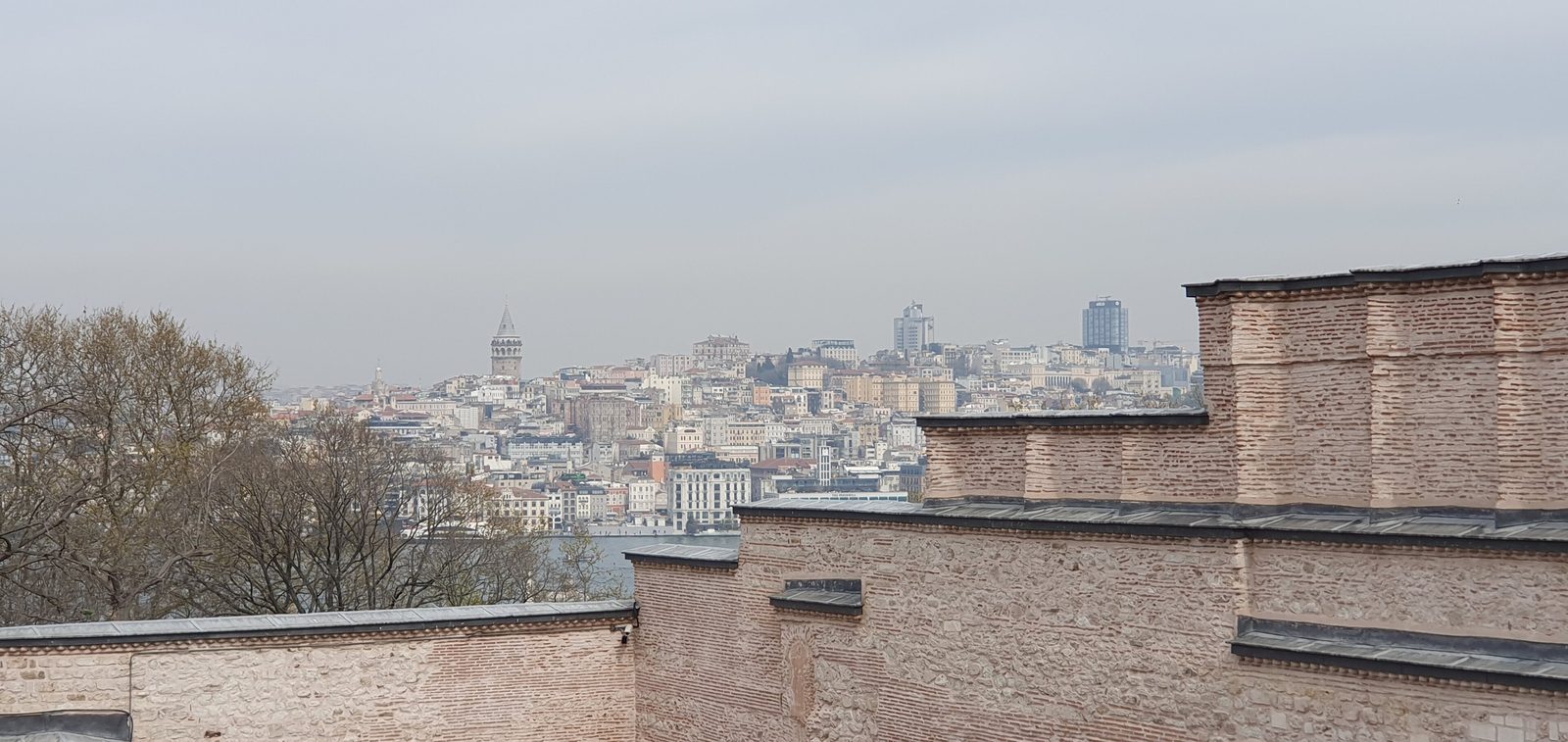
Open on the rooftop. Hamdi Restaurant has held the corner above the Eminönü waterfront since 1960, and the Şanlıurfa-tradition kitchen and the upper-terrace view over the Galata Bridge and the Süleymaniye are the two reasons it is the right opening note for the trail. The Şanlıurfa style is the mild, lamb-forward, low-chilli end of the kebab spectrum — the south-eastern tradition before you cross into the Adana heat. The house signature is the Ali Nazik — smoke-roasted aubergine purée beaten with garlic and yoghurt, spread on the plate and topped with diced charcoal-grilled lamb and a spoon of browned butter — and the fıstıklı kebap, the Gaziantep pistachio kebab, is a quieter study in the same restraint. Ask for a table on the upper terrace, order one of each to share, and eat slowly with the historic-peninsula skyline in the window. This is the only sit-down-with-a-view stop on the trail; the next four are working rooms.
Order: the Ali Nazik kebab and the fıstıklı kebap to share; a plate of the hot lavash and the ezme (chilli-tomato relish); ayran. Forty minutes on the terrace.
Stop 2 — Tarihi Sultanahmet Köftecisi · 1:15 pm
Walk. 12 minutes (900 m) up the hill from Eminönü onto Divanyolu Caddesi via Hocapaşa and the tram line.
The second stop is the everyday charcoal meatball at its century-old reference. Tarihi Sultanahmet Köftecisi has grilled the same hand-shaped lamb köfte over charcoal on Divanyolu Caddesi since 1920, a few steps from the Hagia Sophia. The plate has barely changed in a hundred years: a row of short, flat, finger-length grilled köfte, a piyaz of white beans dressed in olive oil and sumac, pickled green chillies, charred peppers, and bread that arrives hot. There is no menu to speak of and no substitutions; the waiter does not ask. Order one plate to share between two — you have three more stops — with a glass of cold ayran. The key navigational warning is the same one every Istanbul food writer gives: the original is on Divanyolu at No. 12, and the street is lined with imitators using deliberately similar names. This is the one with the queue and the hundred-year-old room.
Order: one köfte plate to share, piyaz, ayran. No substitutions. Thirty minutes. The What is köfte? primer has the longer treatment — the shape, the binder, the regional spread, the lamb-vs-beef question — if you want to read into the dish before or after the visit.
Stop 3 — Şehzade Cağ Kebabı · 2:15 pm
Walk. 10 minutes (750 m) back down toward Sirkeci on Hüdavendigâr Caddesi, behind the historic Sirkeci station.
The third stop is the cağ kebabı — the original Anatolian döner, and the one most visitors have never seen. Before the vertical-spit döner of the modern street stall, there was the Erzurum highland version: lamb marinated overnight, stacked on a horizontal skewer, and cooked beside (not above) a wood fire, then carved in thick ribbons straight onto your plate from a short hand-held skewer. Şehzade Cağ Kebabı in Sirkeci is the most respected practitioner in the city, and the menu is effectively one dish. Eat it the Erzurum way: pull the lamb off the small skewer, wrap it in warm lavaş with raw onion, a pinch of sumac, and a hand-pickled green pepper, and order skewers one at a time until you stop. The wood smoke is the whole point; this is the most distinctly regional thing you will eat on the trail.
Order: two or three cağ skewers between two, lavaş, raw onion with sumac, a pickled pepper. Thirty minutes. Expect a queue at peak lunch. The What is cağ kebabı? primer has the longer treatment of the dish — the horizontal-vs-vertical-spit reveal, the Erzurum origin, and the döner ancestry — if you want context before or after the visit.
Stop 4 — Hocapaşa Pidecisi · 3:00 pm
Walk. 3 minutes (200 m) into the pedestrianised Hocapaşa food alley, around the corner from Şehzade.
The fourth stop closes the historic-peninsula leg with wood-fired bread. Hocapaşa Pidecisi has run its wood oven in the pedestrianised Hocapaşa alley since 1964, and the speciality is the boat-shaped pide — the Turkish flatbread pulled long and pinched at the ends, loaded and fired in a roaring oven until the edges blister. The three to order are the kıymalı (minced lamb with onion and pepper), the kuşbaşılı (cubed lamb), and — if you want the breakfast-of-champions version — the sucuklu yumurtalı (cured sausage and egg). The Hocapaşa alley around it is a dense little run of döner counters, pickle-juice (şalgam) shops and dessert stalls; grab a stool at the communal counter, share one pide, and finish with a glass of cold şalgam. This is the natural end of the walking trail — by now you have eaten Şanlıurfa, köfte, cağ and pide across 3 km on foot.
Order: one kıymalı or kuşbaşılı pide to share; a glass of şalgam. Twenty-five minutes.
Stop 5 — Develi Etiler · 8:00 pm (optional)
Transit. The Etiler stop is the optional evening graduation, not a walking leg — it is up in the northern business district, an 8-km trip from the peninsula. From Sirkeci, take the Marmaray one stop to Yenikapı, change to the M2 metro to Levent, and finish with a taxi or the short funicular hop to Etiler — about 35 minutes door to door. A taxi from the old city is 25 minutes off-peak. Book a table for 8 pm before you set out.
Close at the dynasty. Develi brought Gaziantep grilling to Istanbul over a century ago — the family traces its kitchen to 1912 — and the Etiler flagship is the modern fine-dining expression of that tradition: a sleek room with a Bosphorus outlook and a kitchen that treats Antep technique with real seriousness. This is where the trail steps up from working rooms to refinement. The çiğ köfte here is the real hand-pounded raw-lamb version (kneaded with bulgur and a long list of spices, a dish increasingly hard to find since the raw-meat version was regulated out of most shops); the Adana is hand-chopped with a zırh blade rather than minced, which is the whole difference between a great Adana and an ordinary one; and the fıstıklı kebap arrives under a blanket of Antep pistachios. Save room: the künefe — shredded kadayıf pastry over molten cheese, soaked in syrup and crowned with more pistachio — is the closing argument and one of the best versions in the city. The longer treatment of the dish — the southern Antakya origin, the stretchy-cheese chemistry, why it must be eaten within ninety seconds of leaving the heat — is in the What is künefe? primer.
Order: the hand-pounded çiğ köfte, one hand-chopped Adana, the fıstıklı kebap, and the künefe to finish. An hour and a half. The What is Adana kebab? primer has the longer treatment of the dish — the zırh question, the Maraş pepper, the mild Urfa sister, and why the hand-chopped version separates a great Adana from an ordinary one.
What to bring
- An appetite spread thin. Five kebab rooms back to back is impossible at full portions; the trail works only if you share one or two plates at each stop. Eat a simit and tea at breakfast, nothing more.
- Cash for the working rooms, cards for the ends. Şehzade and Hocapaşa Pidecisi run mostly cash; Hamdi, Tarihi Sultanahmet Köftecisi and Develi take cards.
- A transit card (İstanbulkart). The optional Develi leg uses the Marmaray and the M2 metro; a loaded İstanbulkart makes the northbound trip painless and is worth having for the whole day.
- Comfortable walking shoes. The peninsula leg is 3 km on cobbles with one uphill from the Eminönü waterfront to Divanyolu.
- The Taste Istanbul app, downloaded before you start. Walking directions between the four peninsula stops and the metro routing up to Etiler are mapped, work offline, and don't need a SIM.
Practical notes
- Best day. Tuesday through Saturday. All five rooms run lunch and dinner; Şehzade and Hocapaşa Pidecisi peak hard at the 1–2 pm lunch rush, so the noon start at Hamdi paces you to arrive a little ahead of the crowd.
- Doing it without Etiler. The four peninsula stops are a complete tour on their own — a tight midday-to-mid-afternoon kebab walk. Add Develi only if you want the fine-dining contrast and have an evening free; it is a different meal in a different part of the city.
- Reservations. Hamdi's rooftop terrace and Develi Etiler both benefit from a booking on weekends; the three working rooms take none.
- Avoid. Major Islamic holidays (Eid al-Fitr / Ramazan Bayramı and Eid al-Adha / Kurban Bayramı), when several of the family-run rooms close for two to three days.
Pair this tour with
- Best kebab in Istanbul — the long-form blog post on the kebab spectrum (Şanlıurfa, Adana, Gaziantep, cağ kebabı, köfte and İskender), region by region. This tour walks the spine of the post.
- Sultanahmet at Dawn — the dawn historic-peninsula breakfast-and-lunch tour that shares the Tarihi Sultanahmet Köftecisi and Şehzade Cağ Kebabı rooms inside a morning sequence rather than a kebab survey.
- Where to eat in Eminönü — the district guide for the Eminönü / Sirkeci end of the trail, including the Spice Bazaar, the balık-ekmek boats, and the Sirkeci kebab cluster behind the historic station.
- Walking food tours of Istanbul: which one's right for you — the meta-guide to all 16 tours, sorted by intent.
Walking directions, offline.
The full Istanbul Kebab Trail — the four-stop peninsula walk and the metro routing up to Develi in Etiler — is mapped in the Taste Istanbul app. Downloaded once and run offline thereafter. Free, no sign-in.
Download Taste Istanbul on the App Store